Hello Reader,
It is hard to believe that we will soon be heading towards the tail end of the year. But here we are, in August. Before you know it, Q4 will be upon us. And with the year racing by, it feels timely to reflect on a tension that never quite goes away in our industry.
Today, I want to talk about the perennial tussle between doing things the right way and the quick way.
Why sustainability is so hard
Few would argue that sustainability doesn't matter. Yet why is progress so slow or even stalling in some cases? I mean, we know what needs to be done. We know how to do it. And in the vast majority of cases, we already have the technology.
Clearly, part of the answer requires us to have the will to do the necessary. Unfortunately, humans tend to gravitate towards the path of least resistance. And in an industry suddenly awash and running over with money, the clamour is to reap the returns of this white-hot sector with fast builds for rapid results.
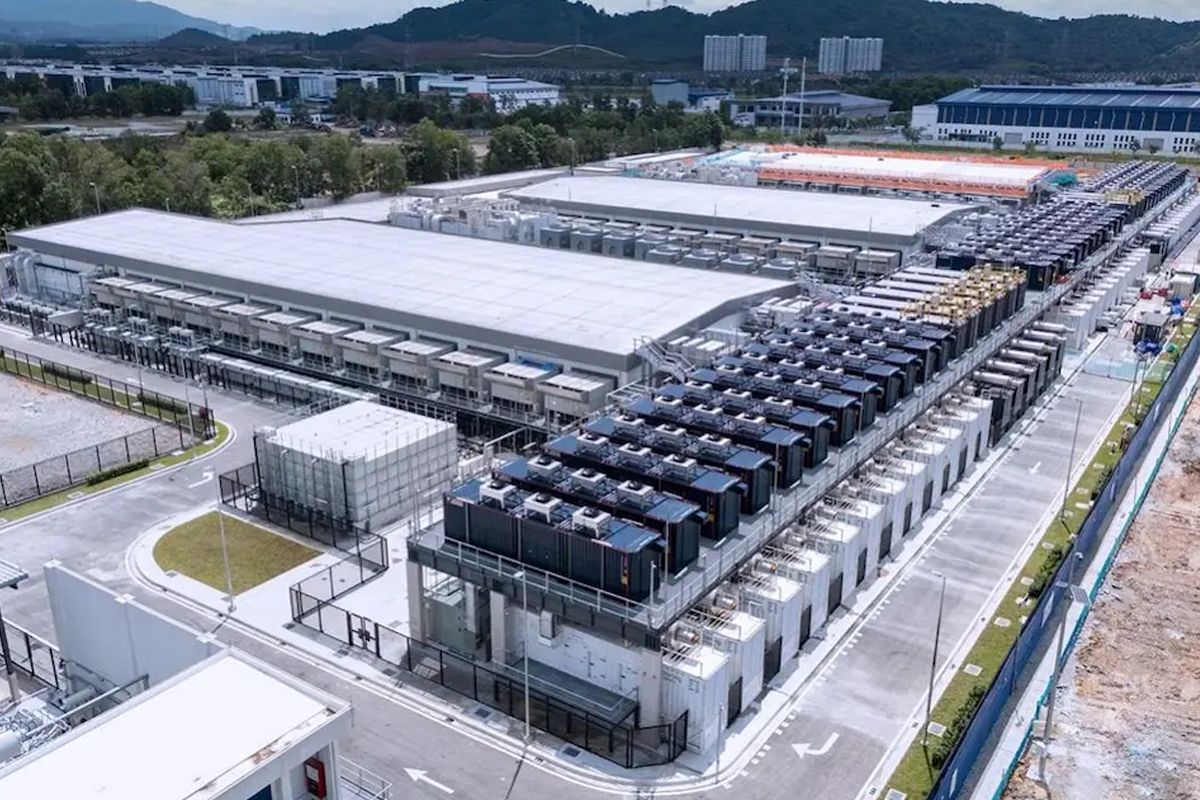
Thankfully, the situation is changing, as governments from Malaysia to Australia tighten rules and draft new guidelines to manage data centres. The economics are shifting, too. As a report by Iron Mountain Data Centers and Baringa argues, the fundamentals that defined the last era of industrial growth are changing.
As electrical demand surges in the face of a need to drive down emissions, a different approach is needed to support the data centres and AI capabilities we will need.
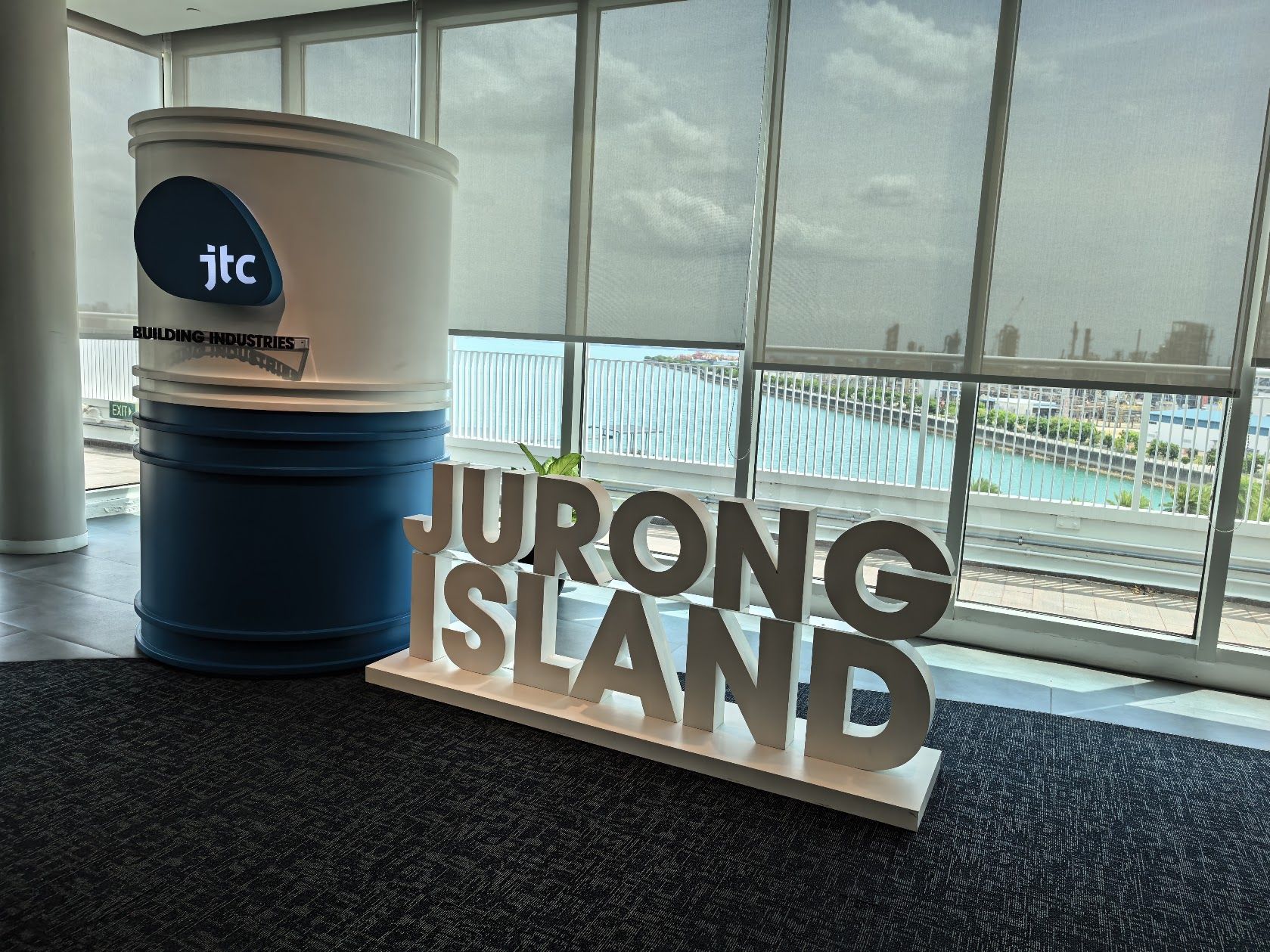
That different approach could well take shape right here in Singapore. This is where Jurong Island could be the ideal testbed for data centre circularity. For example: reusing liquefied natural gas (LNG) cold energy to cool data centres, storing and redistributing thermal energy, and developing shared district cooling networks.
Rethinking how we build data centres isn't a new idea, of course. I first heard of such out-of-the-box thinking when I interviewed Keppel Data Centre's Wong Wai Meng in 2019, who shared enthusiastically about his ideas for a floating data centre. Construction finally got underway earlier this year.
Showing it can be done
This brings me to my next point. Just having proven that something can be done could greatly speed up adoption. Indeed, several firms are currently working on floating data centre platforms, with Nautilus - which Keppel invested in back in 2017 - having had a floating data centre operational since 2021.
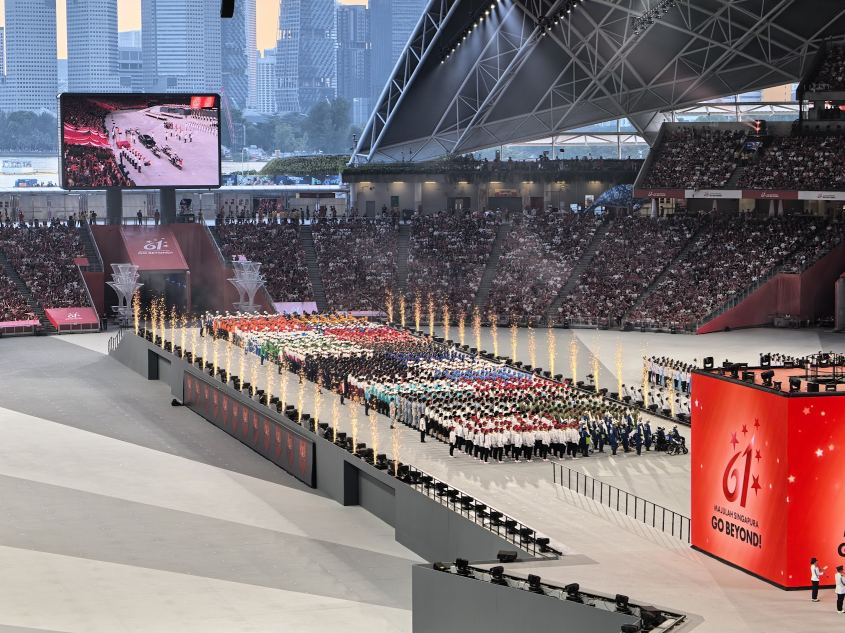
And when it comes to doing things the right way without sacrificing speed, I guess if there's anyone who could do it, it would be Singapore. I got a taste of it on Saturday, when I attended the final NDP Preview parade - the last full-dress rehearsal before Singapore's National Day next week.
With tens of thousands of attendees, security was tight. What impressed me was how there was no security theatre. At the security counter before the gates, checks were brisk, courteous, and thorough.
I've been to many events and conferences over the years in many countries. I left impressed. And oh, no need to empty your water bottles. Just take a sip of water as proof.
If we can bring that same spirit - thorough, efficient, and no shortcuts - to how we build our digital infrastructure, I'm hopeful that sustainable data centres will be the norm sometime in the future.
What do you think? As usual, you can hit reply to this email to reach me.
Regards,
Paul Mah