Hello Reader,
I was at the launch of Equinix's SG6 data centre in Singapore on Friday. I also had the time to read up on Thailand's draft data centre proposal.
Today, I'll explain why they are related.
Why Singapore hit the brakes
When the pilot DC-CFA was first drafted in the wake of a 3-year implicit data centre moratorium in Singapore, there was not a small amount of confusion. Why was the country seemingly establishing barriers to building new data centres? As a mature, well-established data centre hub, should Singapore not be promoting data centres and building more to maintain its lead?
The strategy coalesced into the Green Data Centre Roadmap, published May 30, 2024. In speeches by government ministers at ATxSummit and other public platforms in the months that followed, the picture that emerged became unmistakable even to the most obtuse - Singapore still wants data centres, but only if they are built with sustainability in mind.
And the Lion City is leaning on the momentum of being a top data centre hub to co-opt the resources and knowhow of the data centre industry to achieve that. Since then, a new sustainable data centre park has been announced on Jurong Island. New standards around tropical data centres and green data centres were released, and the DC-CFA2 was concluded with another four winners.
SG6 is the plan, built
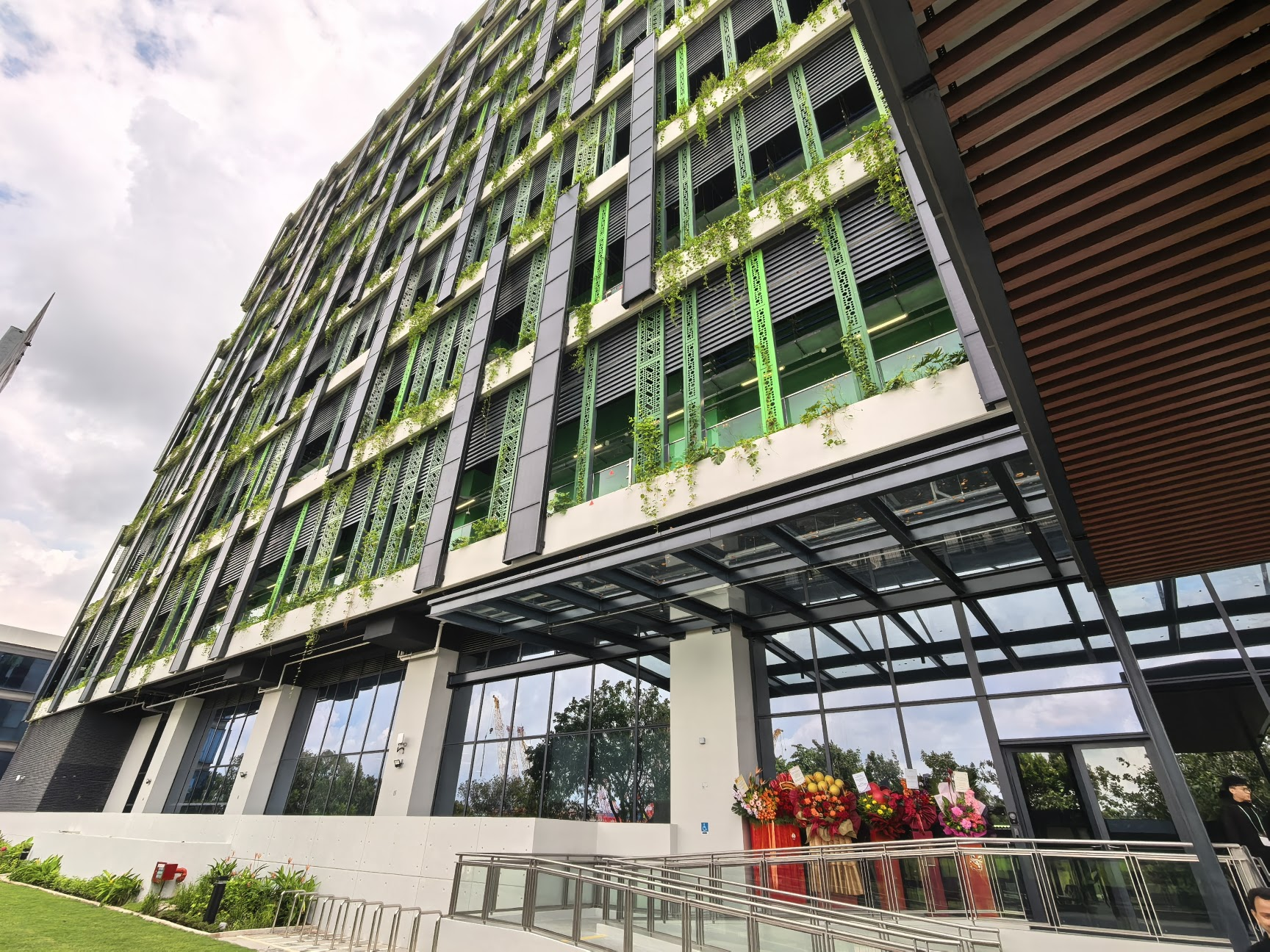
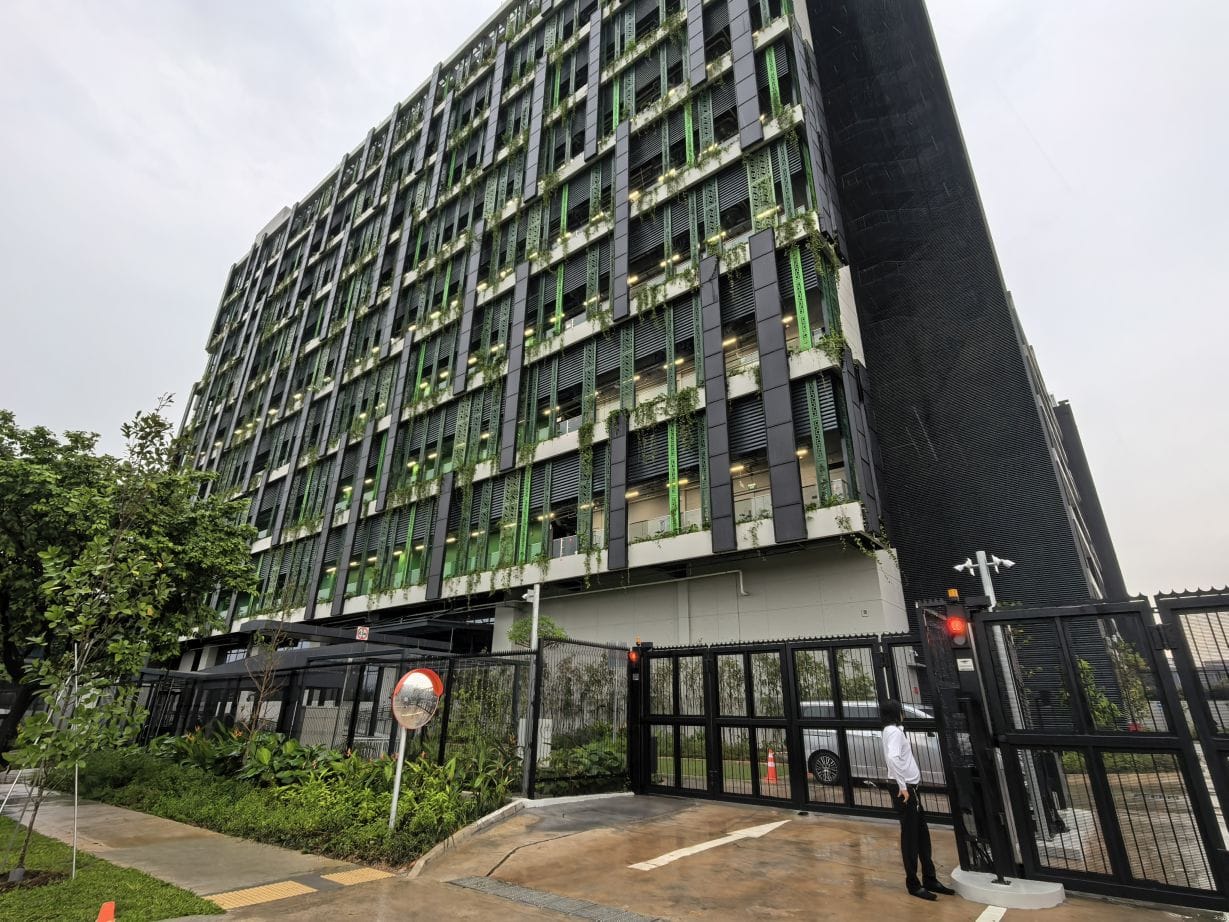
Which brings us to Friday. SG6 is the first DC-CFA data centre to go operational, having been approved in the initial pilot DC-CFA in July 2023. Data centre designs can drift significantly between conceptualisation and construction, so it is worth taking a closer look at what was built.
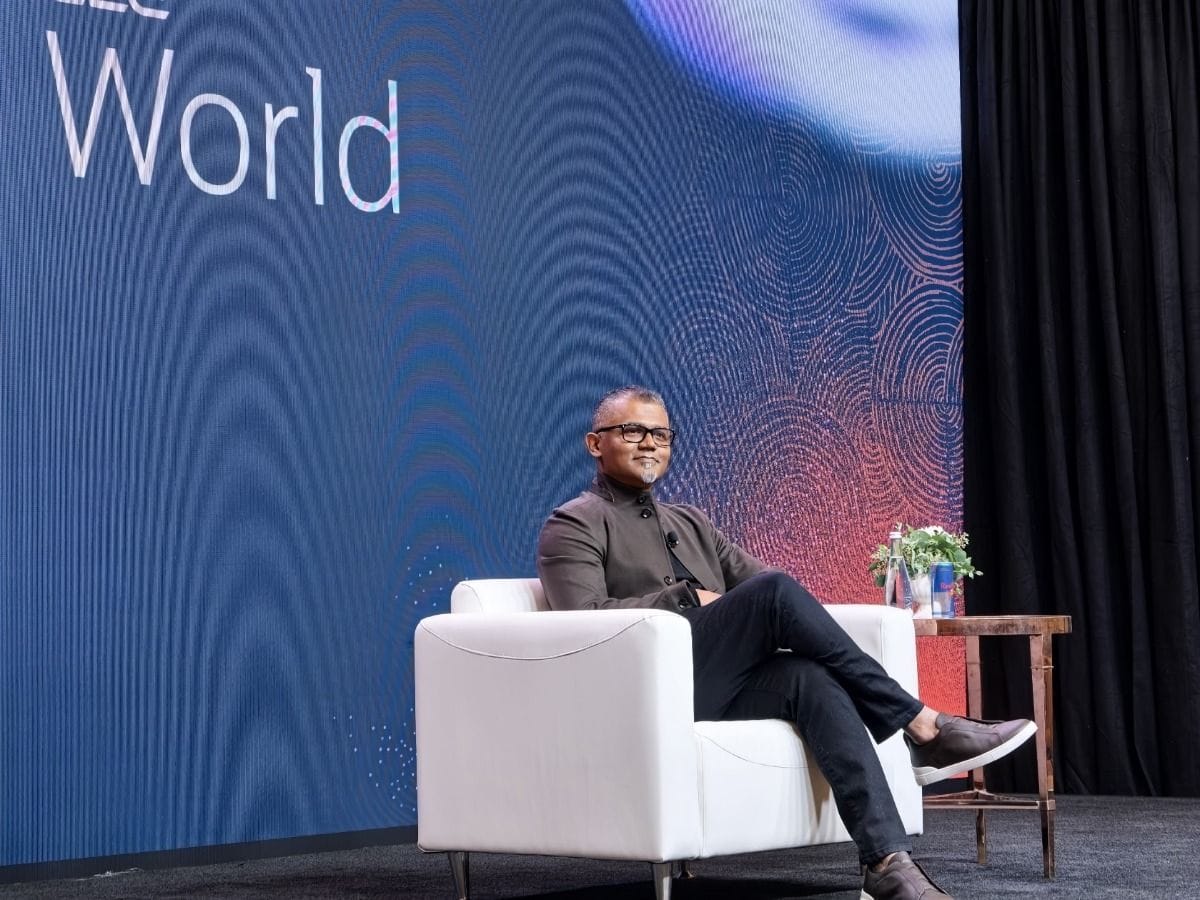
To be clear, Equinix focused more on the milestone than the technical details at Friday's launch event. CEO and President, Adaire Fox-Martin, flew into town and gave a speech. Singapore Senior Minister of State (SMS) Tan Kiat How gave an opening speech.
But between the press release and press conference at the launch was this: Equinix has mostly stuck to what was announced at its groundbreaking in 2024. Other nuggets revealed were that Equinix is targeting Green Mark Platinum, has a design PUE of 1.2, and already matches 100% of its Singapore operations with renewable energy.
In a nutshell, SG6 significantly exceeds the requirements of the pilot DC-CFA and also meets the requirements of the much more stringent DC-CFA2 that concluded earlier this year. Then there is its funding commitment of over SG$9 million to accelerate Singapore’s clean energy transition, and its 1MW of on-site solar (already operational), including vertical building-integrated panels.
And you get an inkling of how Equinix managed to win both the pilot DC-CFA (20MW) and the DC-CFA2 (50MW). It’ll be interesting to see the designs of the DC-CFA2 data centres. Anyway, I’m hoping to get the chance to tour the facility properly next week. Will share more thoughts then.
Plan early, regulate late
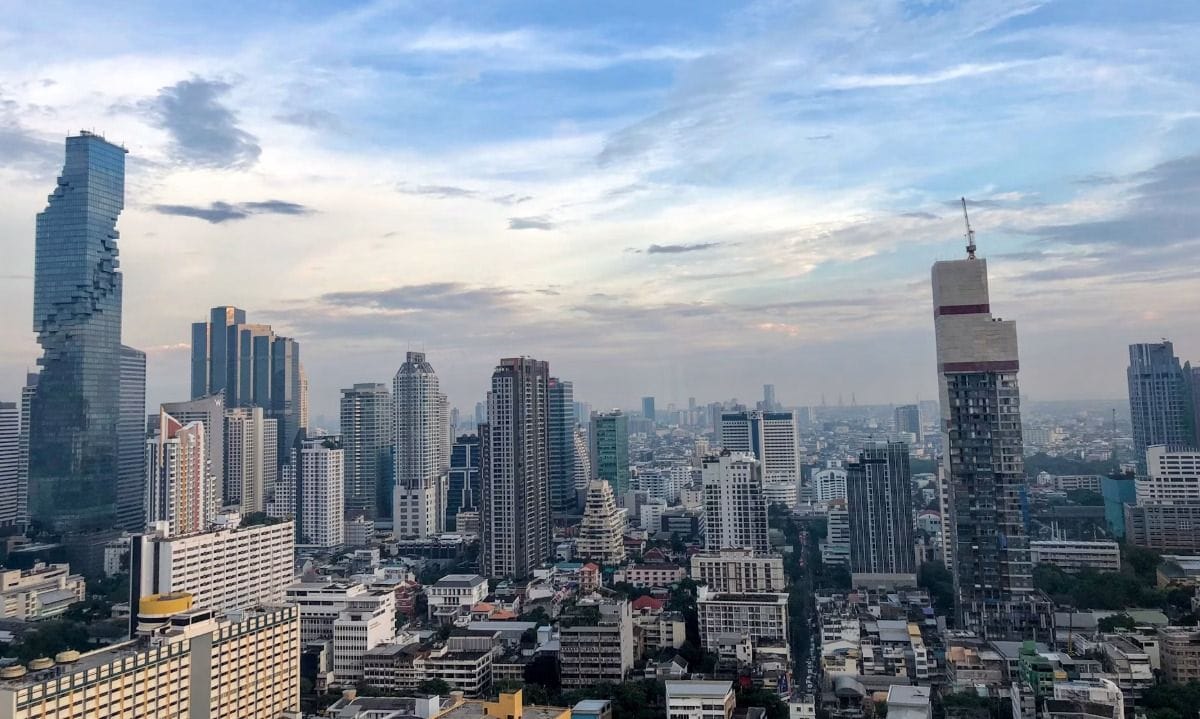
Singapore hit the brakes on data centres years ago. With opposition now growing globally and regionally, that call is looking prescient. Barely a month ago, Thailand slammed on the brakes and is now rushing out new data centre regulations and a framework.
According to media reports, the draft from two weeks ago sorts Thailand's data centres into several tiers by power draw and sets minimum requirements on areas such as electricity and water, environmental reporting and economic contribution. Which is to say, Thailand is writing on paper what Singapore has just finished building. Even countries that acted quickly, such as Malaysia, are further tightening their regulations by the day.
As SMS Tan said in his speech: “We chose to plan early rather than regulate late.” And while most of his speech reiterated Singapore's stance towards data centres and the need for new data centres to contribute meaningfully, he also revealed a couple of new insights worth sharing here.
One point which he repeated was this: Singapore’s goal is “maximum value from compute,” not maximum compute. The other? Digital infrastructure and energy planning have effectively fused. Why? Because data centres could make up to one-fifth of ASEAN’s electricity demand growth between 2025 and 2030. This means that data centre approvals must be judged as energy decisions, not just land-use or IT decisions.
Make no mistake: we still need more digital infrastructure. But the landscape is completely different now. The first wave of data centre buildup went to those who were quick to grab land parcels and power, then flip them for profit. The second wave will belong to more seasoned operators with the knowledge and capabilities to fit everything together.
What do you think?
Regards,
Paul Mah