Hello Reader,
In Singapore, the oral component of the PSLE national examination took place this week. As we coached our younger girl, I was once again reminded of how far education is lagging behind the bleeding edge of AI. What will the jobs of the future even look like (and will we still have jobs at all)?
Today, I want to talk about the tightening regulations around data centres in the Asia Pacific region. And how current signs are favouring space-based data centres.
The clampdown is spreading - and speeding up
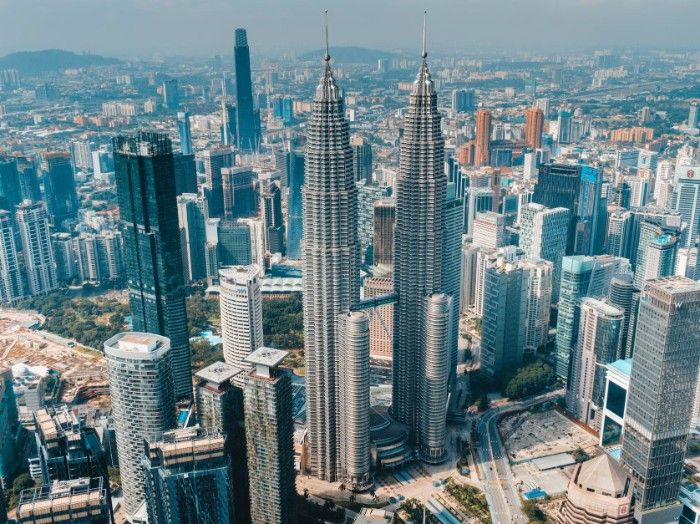
I've highlighted how regulators are increasingly tightening their grip on data centres. Since last year, Malaysia has imposed a strict new approvals regime on data centres. Similar to Singapore's "implicit" moratorium of 2019, this was quietly imposed and talked about behind closed doors rather than announced publicly.
This time, Siti Safinah Salleh, CEO of Malaysia's energy regulator Suruhanjaya Tenaga, spoke of it in the most candid interview I've read to date. In the interview published on The Energy, she shared about how developers had initially rallied against the new approvals regime in closed-door meetings.
"I do believe that some of them are getting a bit uncomfortable making commitments [to bring renewable energy and pay upfront network costs]. But at the same time, as I told them, this is a long-term investment for us. We do need long-term commitments as well,” she said in the interview.
I enjoyed the candour of her responses, and I wrote about the talking points that caught my attention. But it was news from Thailand that, taken together with developments in Malaysia, pointed to a broader trajectory that I think is worth paying attention to.
Exactly two years ago, Singapore's Senior Minister of State Dr Janil Puthucheary stated the nation's stance: “This challenge [of sustainability] is not unique to Singapore; eventually, all of us, wherever we are in the world, are going to be faced with these constraints."
The rapid surge of data centre growth dramatically shortens the window. It was several years after Singapore's own moratorium that Malaysia imposed tighter measures. But when Thailand started experiencing rapid "spillover" growth, it took less than a year before new regulations followed. If you ask me, the window between markets opening up and clamping down is clearly shrinking.
The escape route above our heads
Will space data centres work? When I first heard of it, I was incredulous. How does that even make sense? Admittedly, I ignored it for a while before taking a closer look earlier this year. At that time, I mentioned how it might actually work assuming several conditions are met.
Broadly, they pertain to lifting mass cheaply compared to the cost of building data centres on land, the fact that space data centres only make sense for AI workloads, and the ability of radiative cooling to cool onboard GPU servers.
Since then, developments have moved quickly with major technical demonstrations and capital commitments now in place. Orbital has announced plans to launch a demonstrator of a purpose‑built orbital compute satellite next year.
Earlier this month, Elon Musk shared at SpaceX's first earnings call that the company will build all its AI infrastructure exclusively on the Nvidia Vera Rubin, starting 2027. According to him, each Starmind satellite will carry Rubin GPUs and Vera CPUs as an optimised, rack‑scale “Vera Rubin NVL72” design adapted for orbit.
What changes the picture is Nvidia's strong involvement through hardware support and strategic partnerships. And the growing pressure against land-based AI will only increase the incentive to go into space. At some point, space might be the only way to meet surging AI compute needs.
What do you think? As usual, you can reach me by replying to this email.
Regards,
Paul Mah