Hello Reader,
This week, New York became the first state in the United States to impose a moratorium on new, large data centres. Why did they do it, and what are the implications?
Crucially, are we on the brink of similar bans on data centres elsewhere? Short answer: I don't think so. But the moratorium has exposed something that the industry can no longer sweep under the carpet.
Gaming the market
If you'll allow me, let me start with a personal story. As a Singaporean, I served National Service, which means a mandatory two and a half years (it's now two years) in the armed forces. While it happened a really long time ago, I still remember it as clear as day.
The story begins the day I fell sick with a fever. As a stay-in soldier from a combat vocation, I asked for, and was granted, permission to see the MO, or Medical Officer, after roll call.
As usual, there was a fairly long queue at the Medical Centre. Most didn't look sick to me, but who am I to know, right? Anyway, the queue moved along at an agonisingly slow pace in the ice-cold room.
This gentleman in front of me got called out by the medic and sent away after unsuccessfully pretending to be sick. He was exposed when he surreptitiously heated up his thermometer with a lighter, not realising that he couldn't possibly be alive at the temperature that registered.
When it was my turn, I was told the policy was to have me wait it out in a freezing room until late afternoon. Only if I was running a fever would I be sent home. And the medic kindly offered some paracetamol, which I declined. After all, taking it would have made me temporarily "well" enough to be sent back to my bunk.
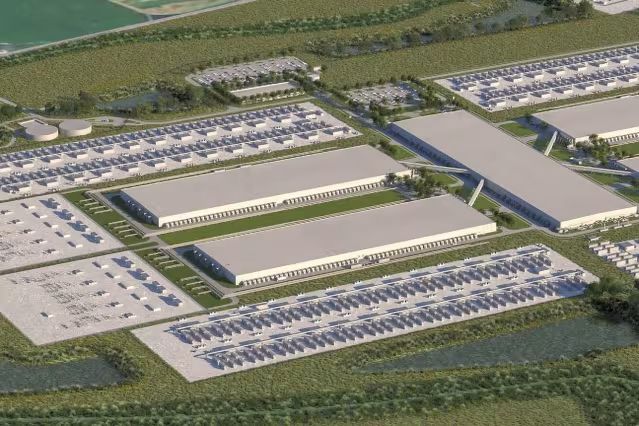
Why did I share this story? When I recently had coffee with a VP who oversees more than half a dozen data centre campuses across EMEA, he observed how speculative players, backed by investors, have snapped up power and land in key European markets for new facilities. The problem? They might not actually have the plans, customers, or experience to build them.
This is the situation we find ourselves in. That long, needless wait in the queue, the rigid protocol and new rules... they came about because too many players have flooded the system, including those trying to game it for their own benefit. And in jurisdictions where the regulations have lagged? The tendency is to enforce a moratorium first.
Data centre operators doing more
I don't have a solution for the current state of affairs. But the turning sentiment towards data centres has its roots in real grievances. A moratorium, like the medic's protocol, is a blunt way to screen out the chancers. But it freezes the genuine players too. The honest operators suffer for the chancers' sins.
And make no mistake, we do need them: we need more digital infrastructure to power our modern lives, from smartphones and cloud services to the internet, and now AI. And because upset constituencies aren't driven by logic alone, politicians are stepping in. As I wrote last week, data centre players must do more, a lot more, before it's too late.
But what can they do? One reader, the head of EHS at one of the largest asset managers here, wrote in to tell me about his observations from a former career in the oil and gas (O&G) industry after reading my commentary last week.
It is common in the O&G industry, he noted, to run community programmes to keep locals informed, happy, and willing to overlook the hordes of company employees and contractors "taking over" their towns.
For example, Shell in Malaysia runs many CSR programmes, including sponsoring defensive driving courses for local taxi drivers and supporting small businesses. For its part, Chevron sponsored City to Surf in Western Australia to support people with disabilities.
But goodwill only goes so far. The grievances that resulted in New York's moratorium are material: power, water, and who ends up paying for the grid. So operators need to do the harder thing: engage governments early.
They must also be upfront about how much power and water a campus will draw and manage those resources in ways the community can actually see and feel. Recycle and reclaim water rather than evaporate it away, and add renewable capacity to the grid rather than draw it down.
The oil majors worked this out decades ago. The real question is whether data centre operators will act before a regulator, in New York or somewhere closer to home, decides for them.
Regards,
Paul Mah