Jensen is back, GPU shipments are "paused". Now what?
 |
Paul Mah
November 29, 2026 |
|
|
In this issue
| 1 |
My opening speech at the Awards Gala |
| 2 |
What comes after Thailand's data centre rush |
| 3 |
Thailand's data centre landscape |
| 4 |
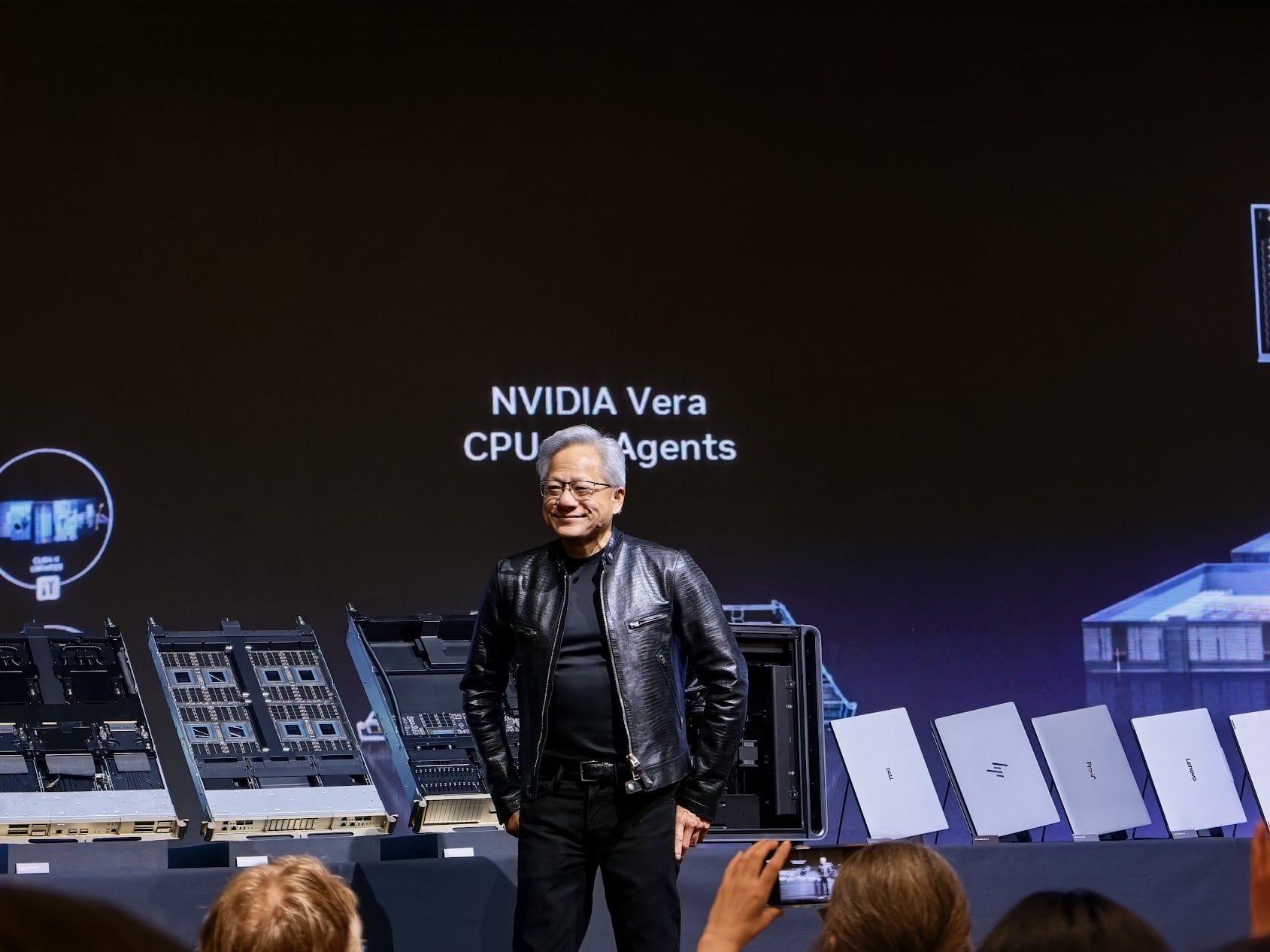
Jensen Huang is back. Now what |
|
|
Hello Reader, |
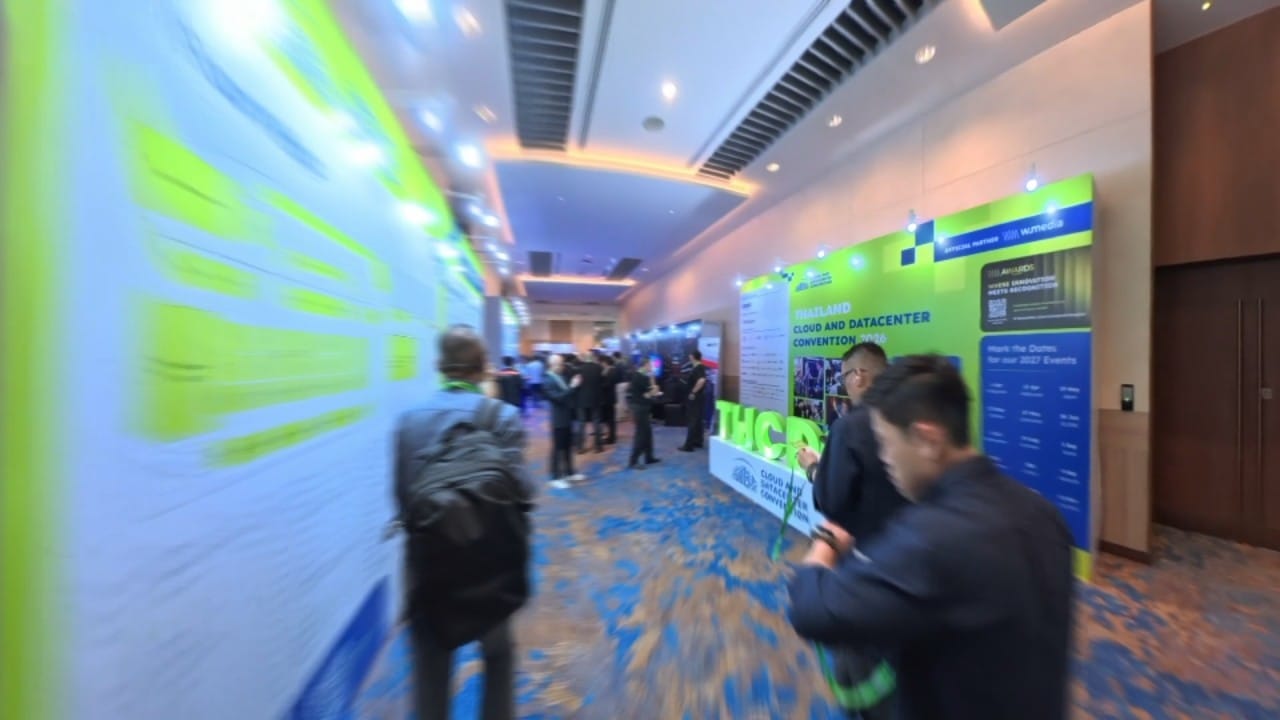
I was in Bangkok earlier this week, where I saw its burgeoning data centre ecosystem firsthand and spoke directly with industry players and operators. |
Today, I want to talk about what happened this week, the interconnected data centre ecosystem, and why an open AI ecosystem benefits the rest of us. |
What really happened with GPU shipments
|
In a move nobody saw coming, Jensen Huang was reinstated at Nvidia after some phone calls by President Trump. Just in case anyone has doubts, there are reports of potentially invoking the Defense Production Act or even a presidential pardon. |
But like the missing uproar over the devastating U.S. midterms loss, this was quickly eclipsed by Nvidia reportedly halting server shipments to the Southeast Asian countries of Singapore, Malaysia, Indonesia, and Thailand. |
What is happening? As with the "protests" against data centres in Johor and Batam, knowing the details and context can change the interpretation of the situation. |
In the case of the "stopped" GPU shipments, it is my understanding that this is a matter of Nvidia seeking clarity from the U.S. Commerce Department's Bureau of Industry and Security (BIS) due to mismatches between definitions in the interim final rule (IFR) and current market practice. |
The "pause" is hence needed as a cutoff date to delineate between earlier shipments and new ones, with the latter requiring re-approval from BIS. In other words, this is an administrative move and it is otherwise business as usual. |
The limits of tightening the screws
|
As I prepared my opening speech for w.media's Awards Gala this week, one theme I had to address was the impact of the tightening restrictions. And while Jensen Huang might be back at Nvidia, the push to get ahead and achieve RSI, or recursive self-improvement, has not changed. |
Will the screws keep tightening? The U.S. is already in a full-court press with at least four major legislative measures: the Remote Access Security Act (RASA), MATCH Act, AI OVERWATCH Act, and Chip Security Act. |
|
Tech Stories is on WhatsApp. Join 2,100 others; nobody sees your number. |
|
|
How much further will things go? It is impossible to tell as there is more than one faction. Moreover, there will be pushback too, which further increases the difficulty of making a prediction. But I believe there are limits to how far things can go. |
Specifically, measures such as those to block AI chips actually cut both ways. While some Southeast Asian operators could be affected, they also hurt Nvidia, which sells a significant volume of its GPU chips here. The many major Western equipment suppliers, too, would undoubtedly be impacted. |
Here's the thing. The data centre ecosystem is tightly interconnected. Many Western firms have invested heavily in Southeast Asia, including acquiring local firms. Moreover, key systems could well be made by Chinese firms, which serves to keep costs competitive. Take them out of the picture, and the situation could well shift. And yes, the likes of Oracle and other global data centre operators do have Chinese customers too. |
Open models benefit us
|
Why should any of this matter? I'll say this: an open AI ecosystem benefits us all. Right now, most of the open AI models come from China, the very country whose AI development the U.S. is attempting to stifle. Whatever one thinks of the geopolitics, it is worth considering what the alternative looks like. |
A world with only the likes of Anthropic and OpenAI would be detrimental to the rest of us. After all, it takes but a single U.S. decree to potentially shut entire nations off from their AI tools. And as demonstrated so far, it doesn't take much for some countries to find themselves on the wrong side of a rule written halfway around the world. |
Open AI models offer an option should that ever happen. They can be downloaded, run on local infrastructure, and fine-tuned for local needs - and nobody can switch them off from afar. Their existence also makes such a scenario far less likely in the first place. When a country can simply turn to an open alternative, there is real commercial pressure not to block it off. |
In other words, open AI models are more than a fallback. They are what keeps the door open for the rest of us. |
PS: I'll be taking a break from this newsletter next week, but I'll be more than happy to respond to your emails. |
|
Regards,
Paul Mah
|
|
 |
|
On new U.S. chip rules, five movie titles, and building good boats.
|
|
 |
|
Four takeaways from the largest CDC in Thailand yet.
|
 |
|
A record turnout suggests demand is far from deflating.
|
 |
|
The Board voted unanimously, but the inquiries haven't gone away.
|
| |
|